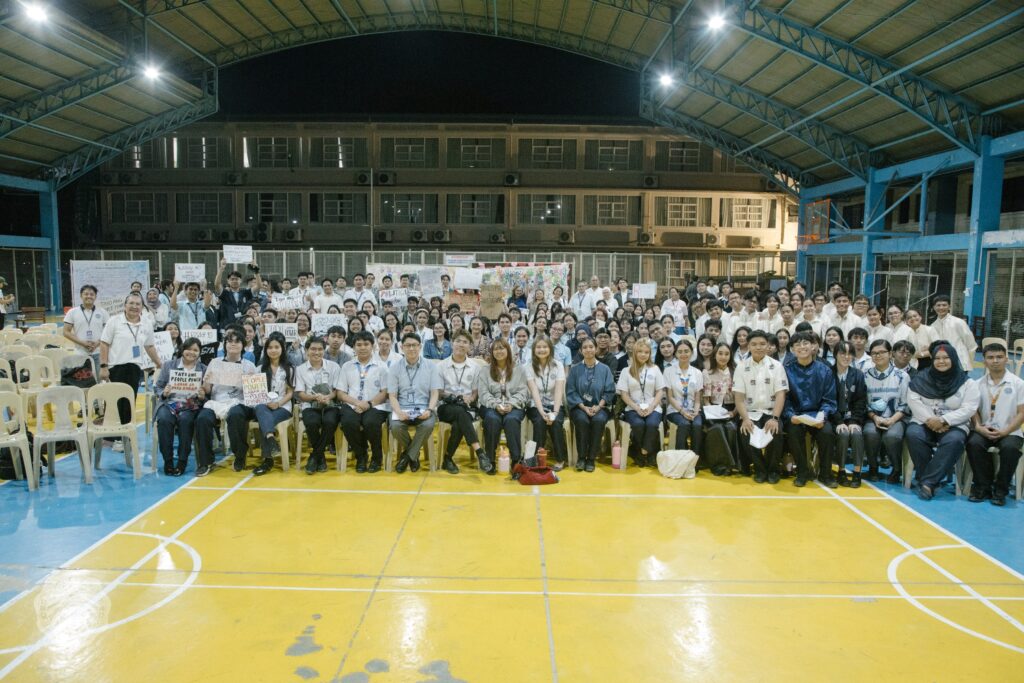


The Ateneo de Zamboanga University, through the Social Development Unit, commemorated the 40th Anniversary of the EDSA People Power Revolution through a series of activities under the theme “EDSA @ 40: Kasama mo sa Pag-alay at Pag-asa.” The commemoration honored EDSA’s enduring legacy and reaffirmed the community’s shared commitment to uphold democracy, justice, and hope.
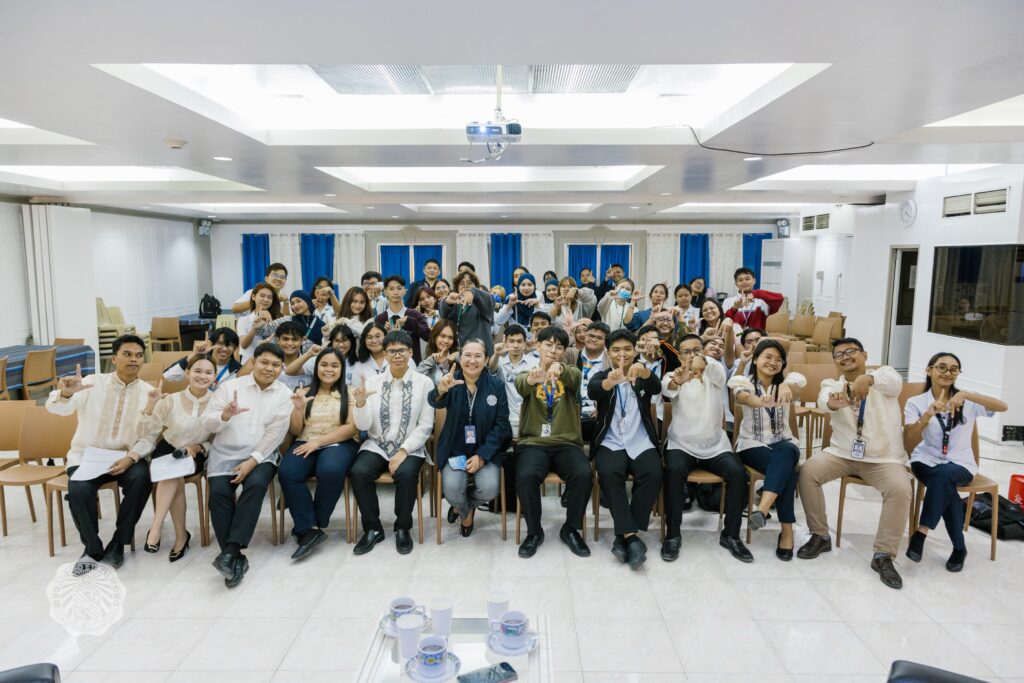
At the heart of the commemoration was Kuwentuhang EDSA, a series of Kapi-kapihan sessions held every Friday in February during the activity hour at the College Lobby. Grounded in the Filipino tradition of sharing the most profound stories over a warm cup of coffee, the series moved away from rigid formalities to embrace roundtable conversations rooted in shared human experiences.
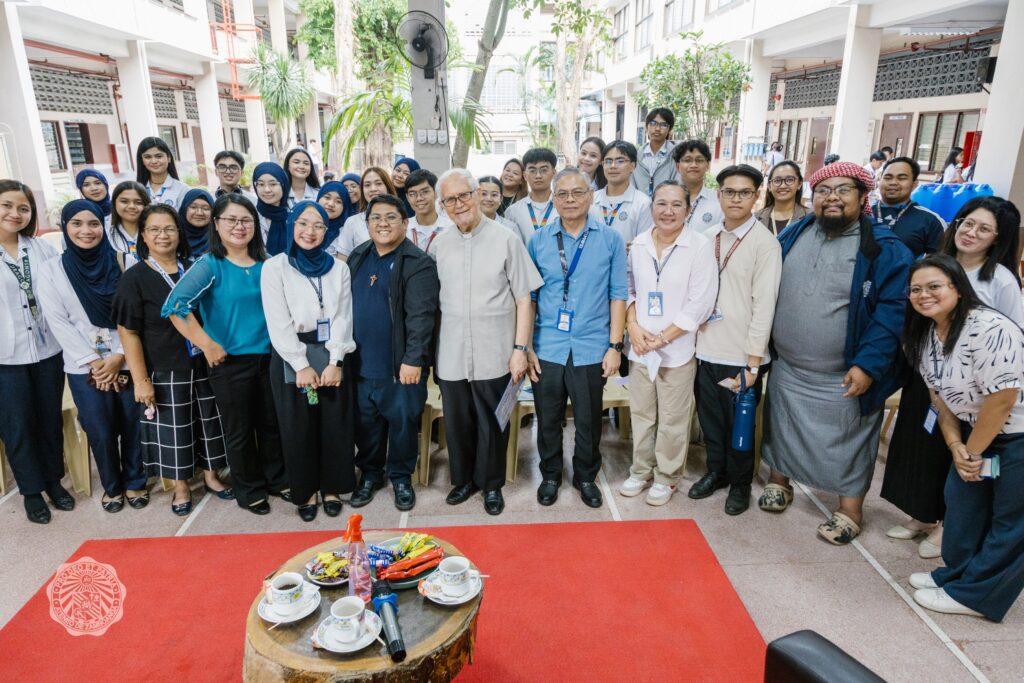
Held on February 6 and led by Ateneo Peace Center and Ateneo Center for Leadership and Governance, Encuentro opened the series in solidarity with the 2026 World Interfaith Harmony Week. Centered in interreligious dialogue, the session created a safe and welcoming space for people of diverse faiths to encounter one another.
Resource sharers Sir Kevin Roy Jimera, Director of the Campus Ministry Office, and Datu Akmad Duran, Muslim Affairs Coordinator and Moderator of the Muslim Students Association-AdZU, together with a solidarity message from Fr. Sebastiano D’Ambre, PIME, founder of the Silsilah Dialogue Movement, reminded participants that dialogue is the first step toward meaningful social change. Through their lived experiences, participants explored how to find harmony amid conflict, reflecting on the “faith that does justice” that fueled the EDSA People Power Revolution forty years ago and on the quiet, daily practice of interfaith encounter in their own classrooms.
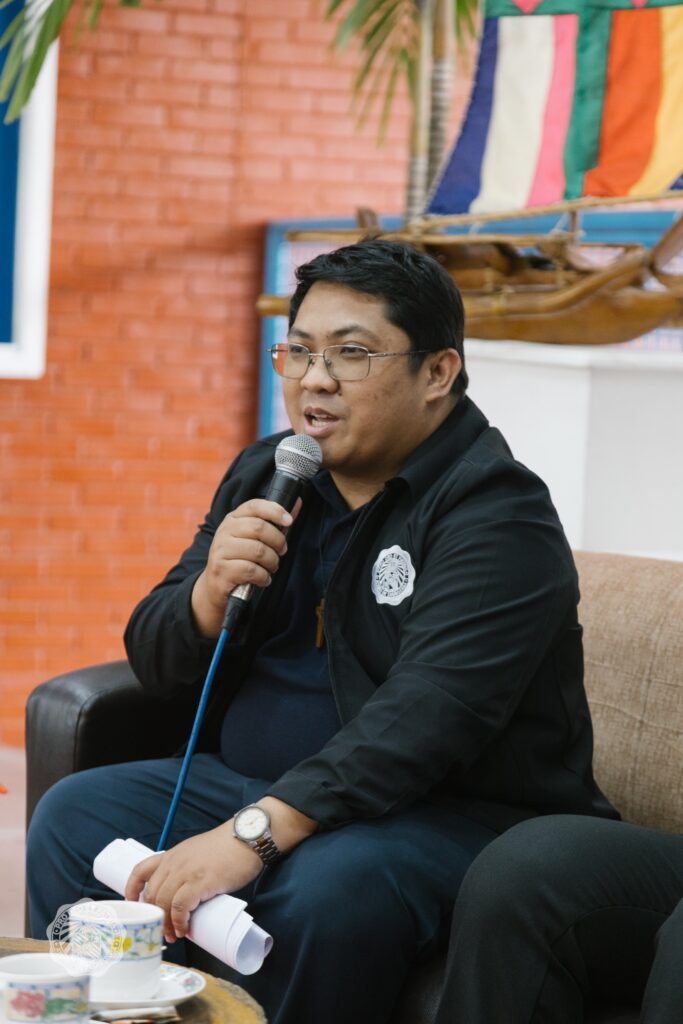
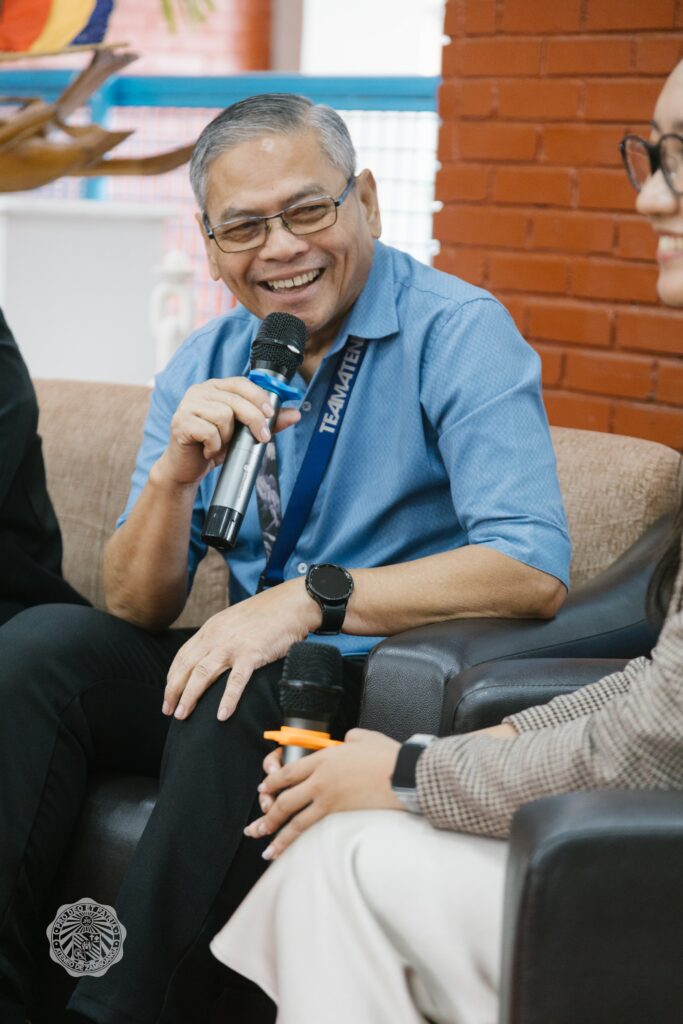
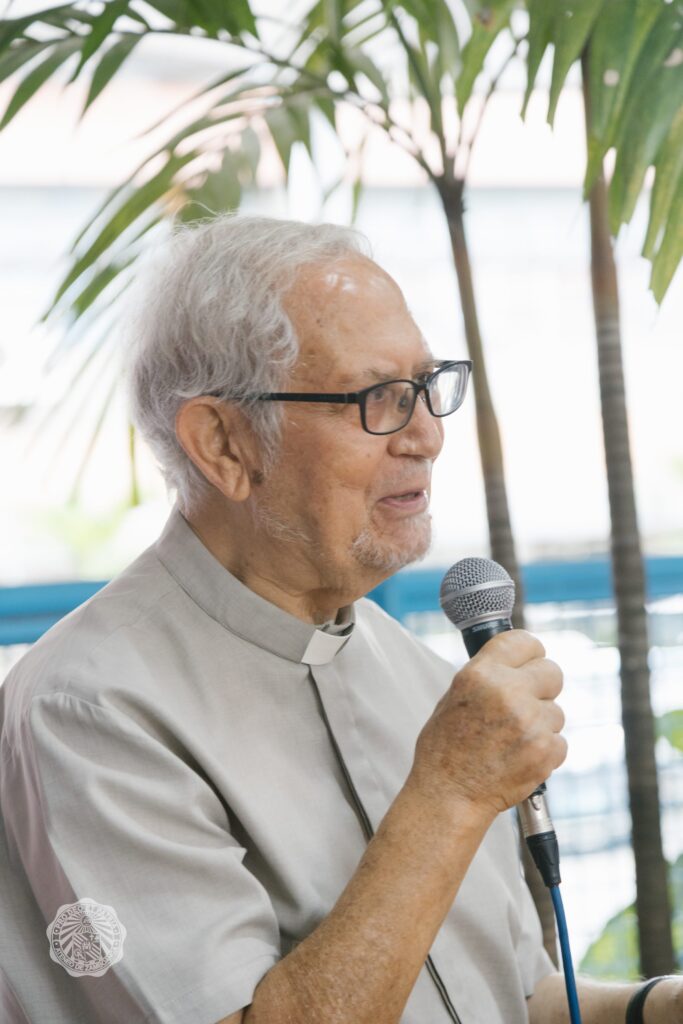
On February 13, the Kapi-kapihan continued with Acorda, which means “the act of remembering.” This session revisited and honored the local stories and lived experiences of individuals who stood against oppression and injustice during the Martial Law era. The session featured Hezekiah Concepcion, Department Head of the Social Sciences Department; Atty. Ma. Corazon J. Montemor, Dean of the RUCJ College of Law; Dr. Bienvenido Gregoria, faculty of the Social Science Department; and Esperencita Hupida, Executive Director of ZABIDA. These guests shared their firsthand experiences of the EDSA uprising, serving as a starting point for meaningful reflection and dialogue among students and cultivating empathy and solidarity that inspire participants to move forward together as agents of transformative social change.
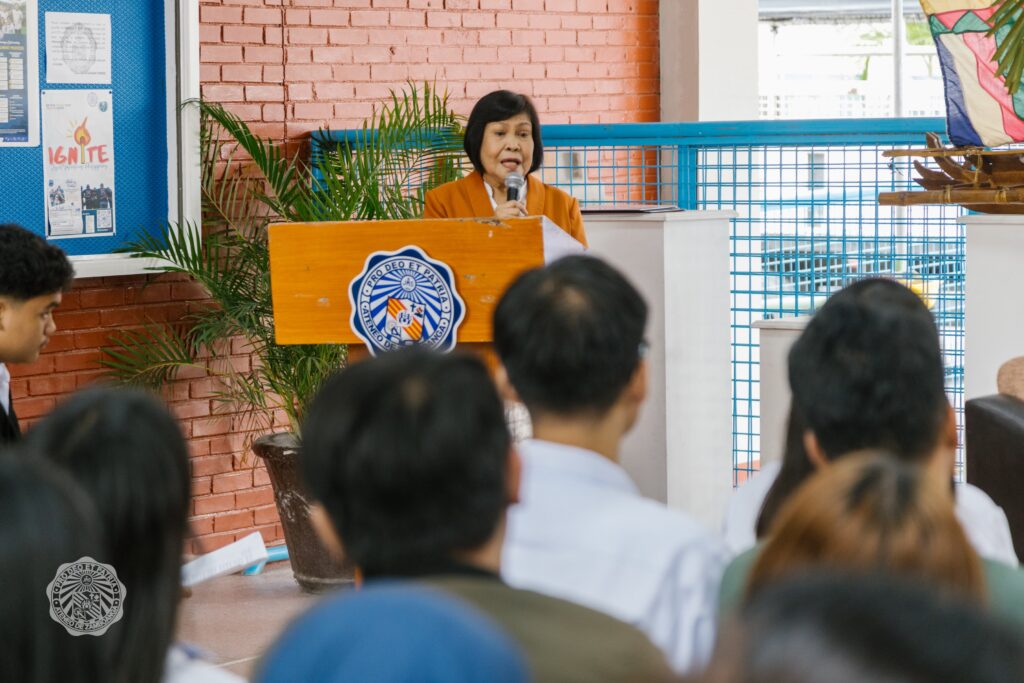
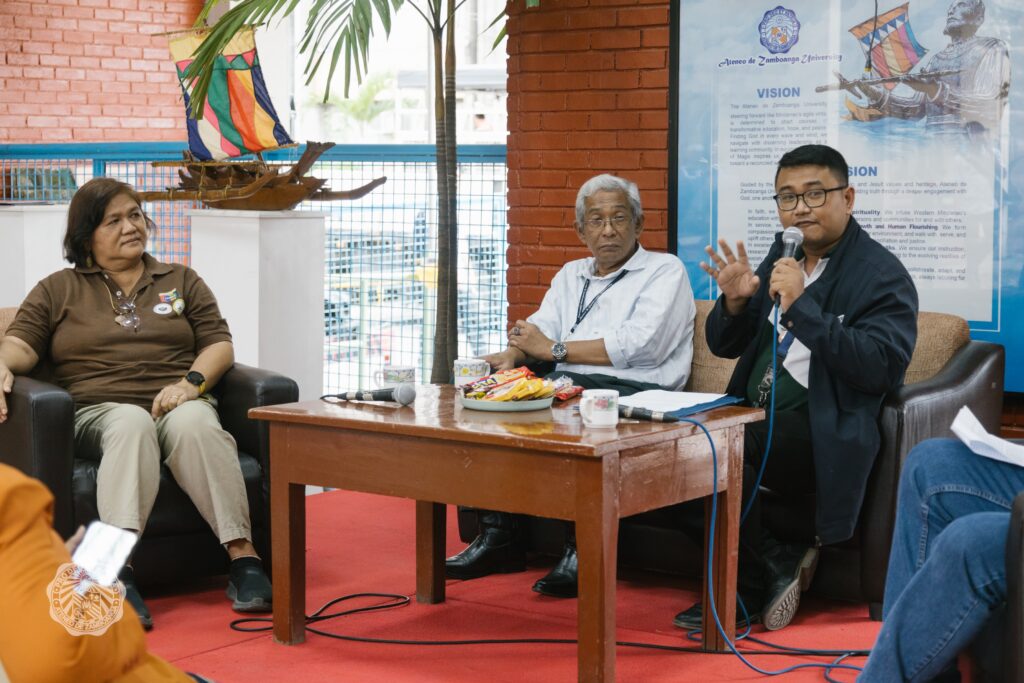
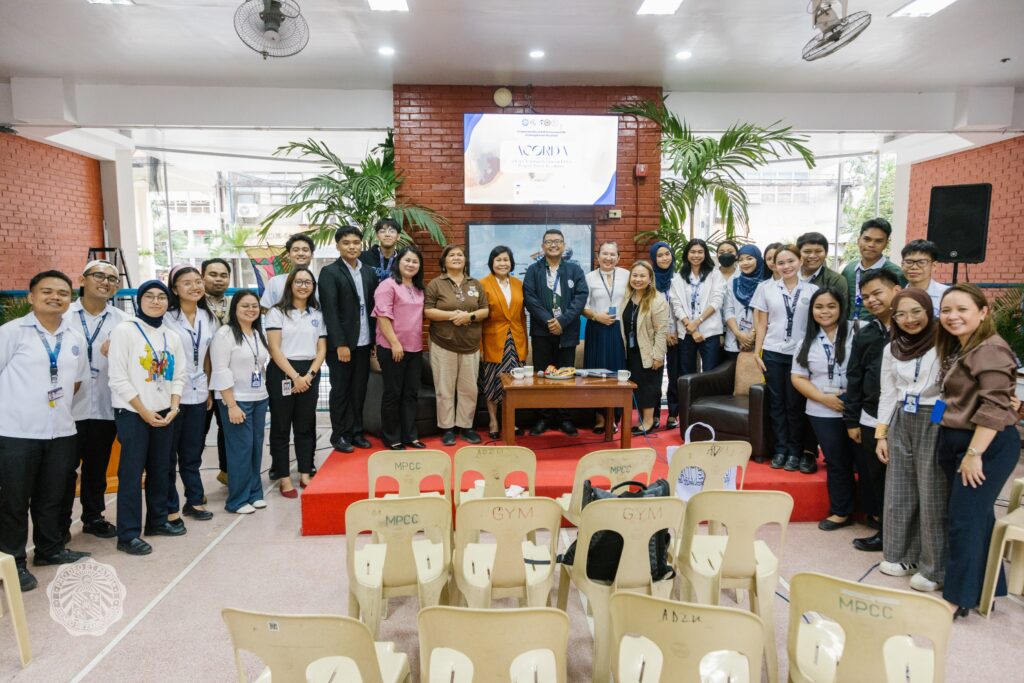
The series closed on February 23 with Esperanza, meaning “the act of hope.” Looking beyond the dawn of a new democratic era, this session examined the unfinished promise of EDSA and the contemporary challenges that threaten the values the revolution sought to uphold. Guests from various sectors shared their stories of confronting present-day issues that pose risks to our democracy; from the academe, Ma. Christina A. Canones of the University Archives and Special Collections; from the youth sector, Maria Nian Nina Torres, Program Officer for Advocacy of the Ateneo Center for Environment and Sustainability; and from the religious sector, Fr. Salvador C. Wee, SJ. Centered on hope and collective aspiration, these narratives embodies the spirit of being men and women for and with others, inviting participants to reflect on how, together, they can safeguard democracy and work toward a more just and humane future.
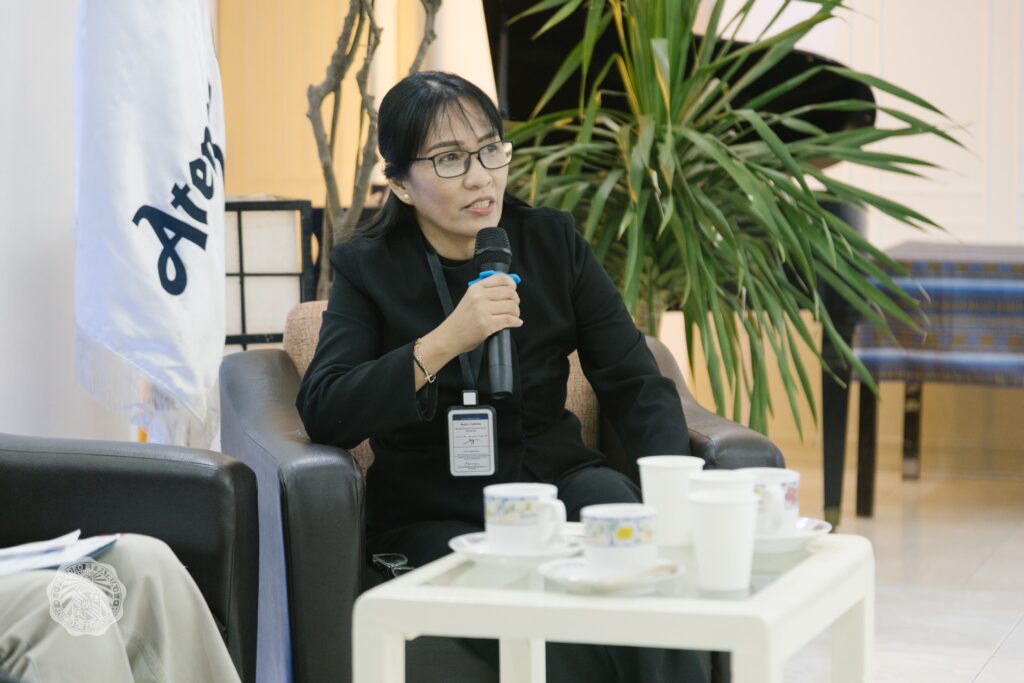
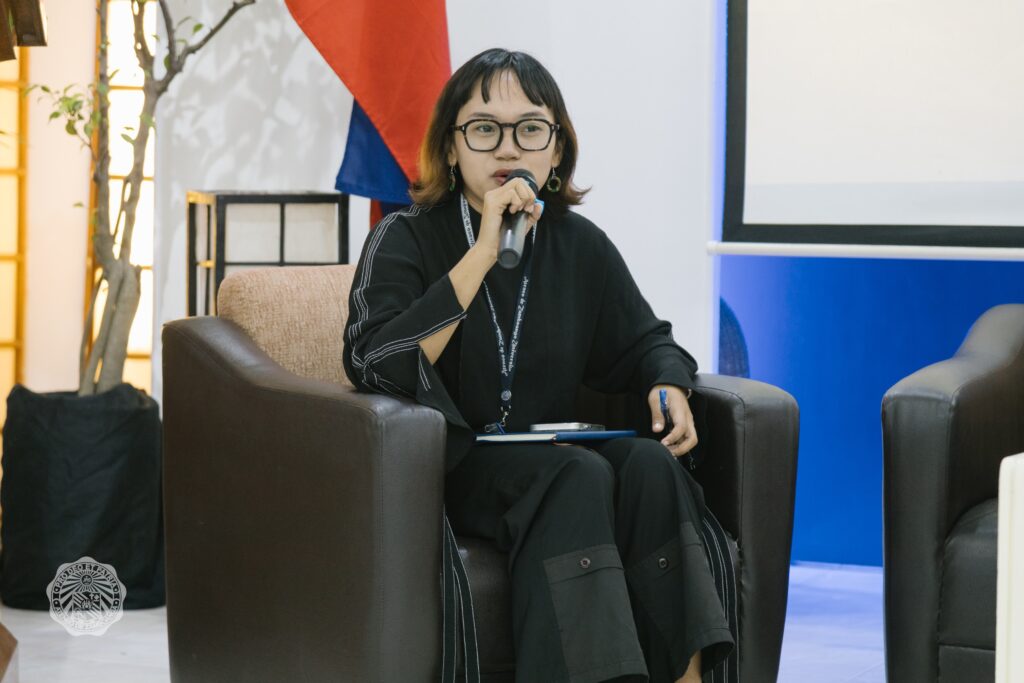
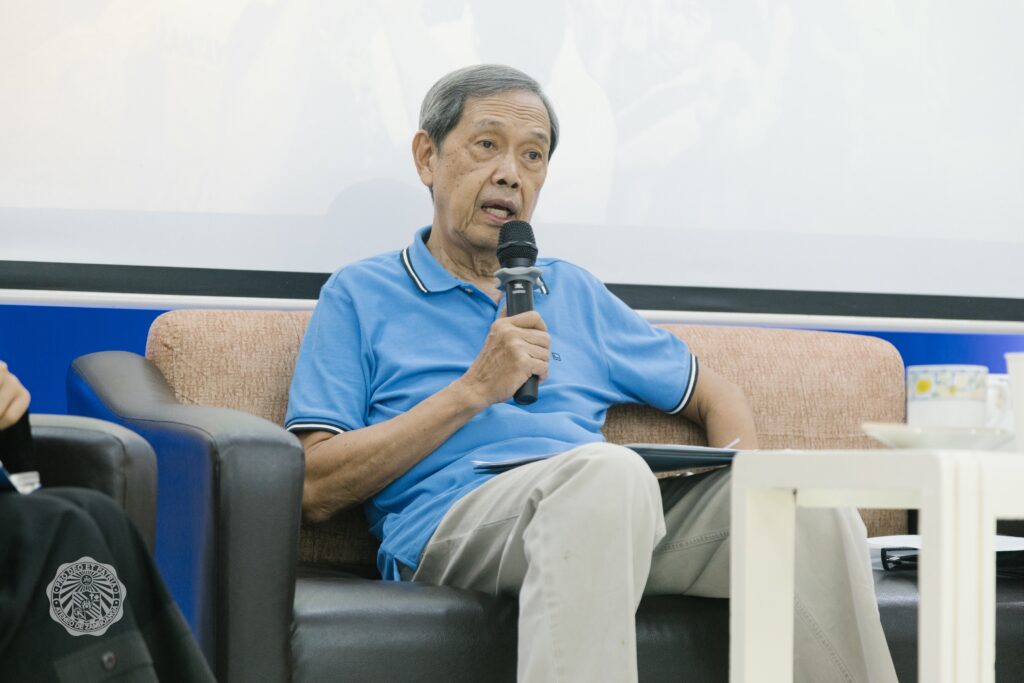
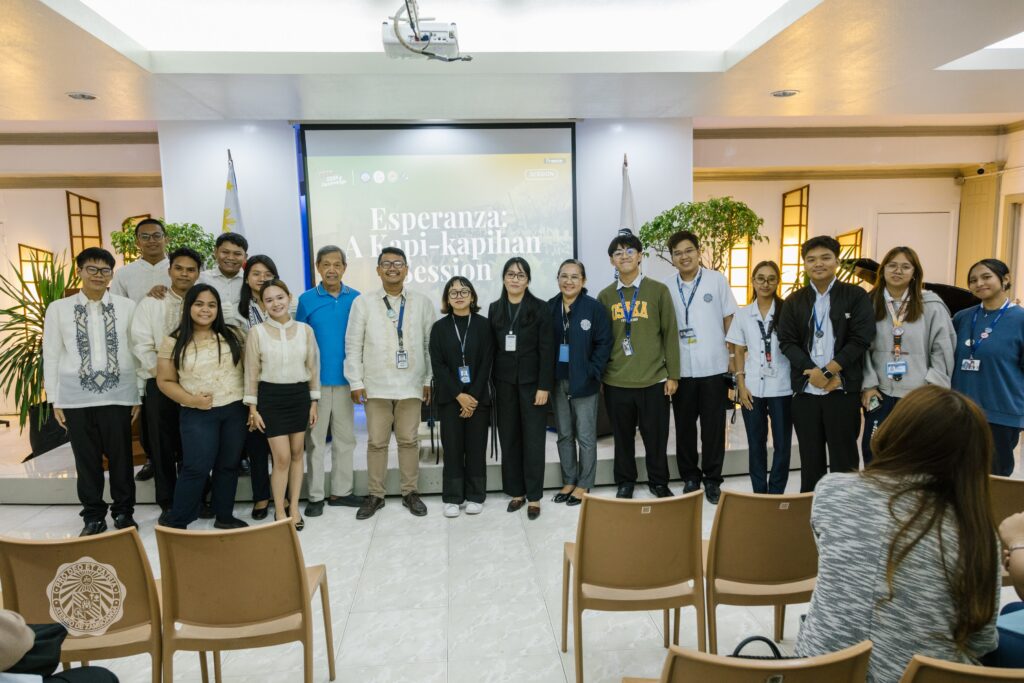
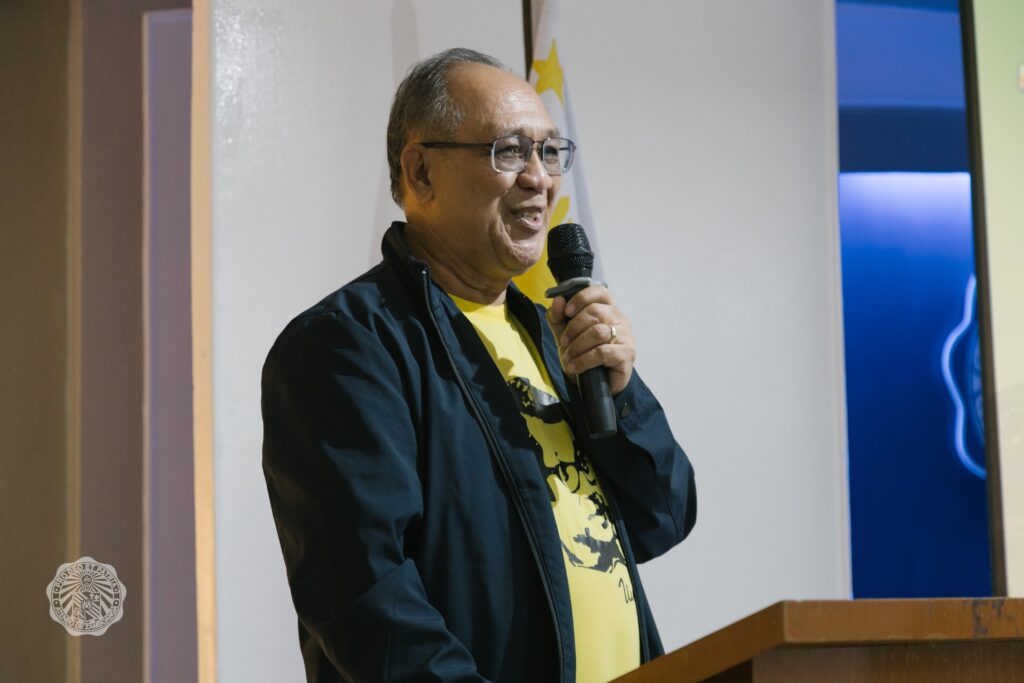
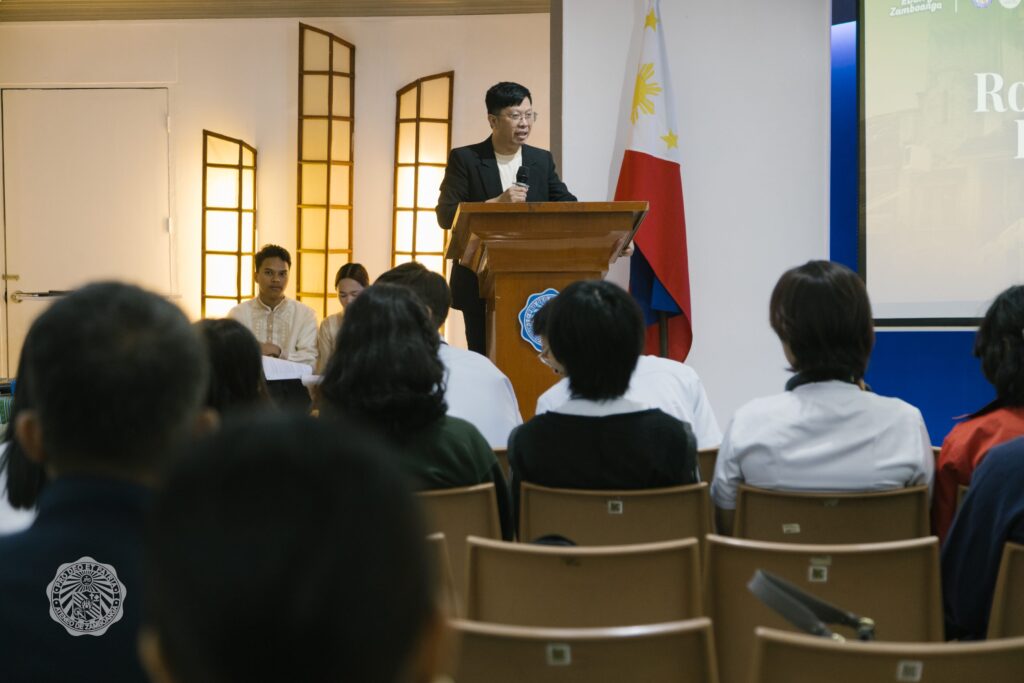
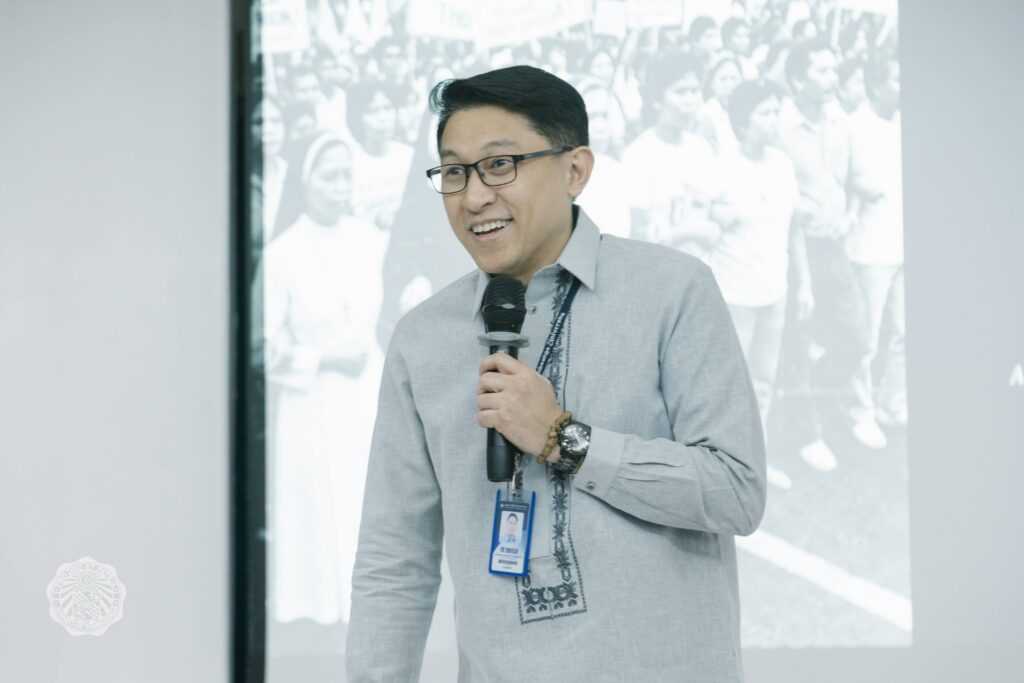
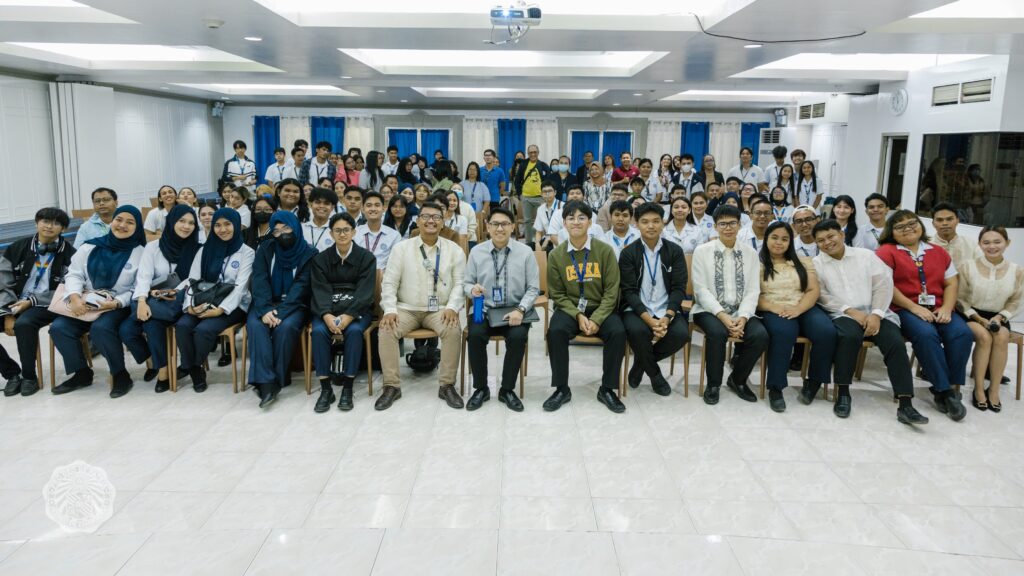
On February 23, the Social Science Department of the School of Liberal Arts, in collaboration with the Social Development Unit, convened a day-long EDSA Forum at the Carlos Dominguez Conference Hall. The program brought film-viewing, historical sessions, and a covenant signing – equipping the community with both the memory and the civic tools to keep democracy alive.
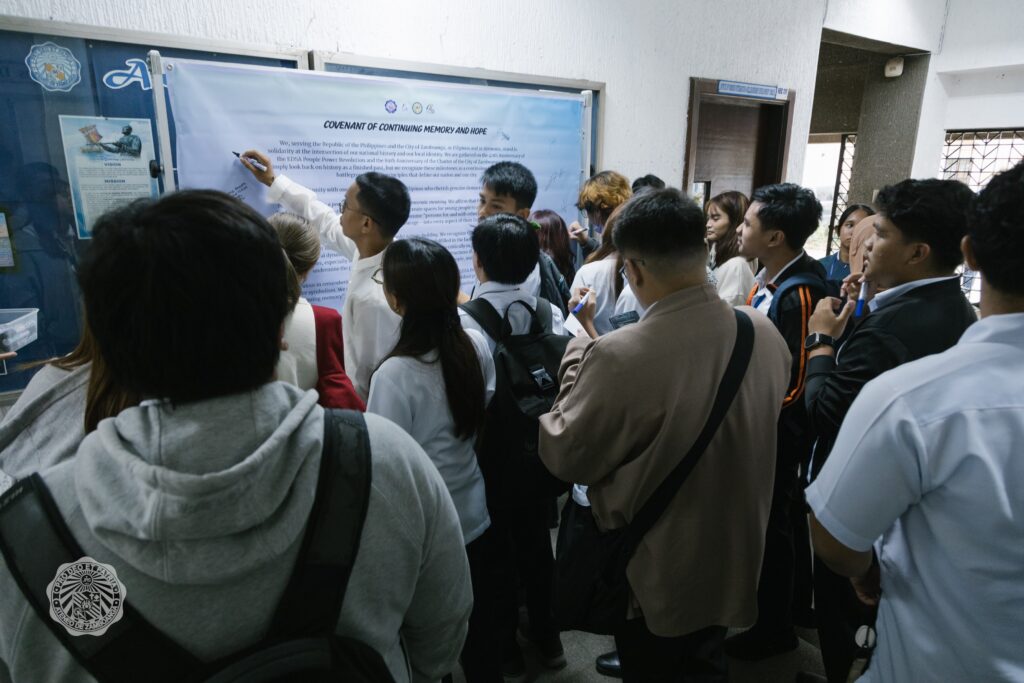
The commemoration also took shape through creative expression. Led by the Ateneo Center for Culture and the Arts, the EDSA Exhibit opened on February 23 at the Gallery of the Peninsula and the Archipelago, gathering artistic voices from the Ateneo community. Guided by the themes of memory, Courage, Unity, and Hope, artists interpreted EDSA not as a literal recreation of history but also as a living narrative – remembered, felt, and expressed through contemporary works in painting, photography, poetry, installations, and more. Alongside the exhibit, Teatro Ateneo brought the story to the C-Garden through a Street Theatre performance, transforming remembrance into expression and expression into collective understanding.


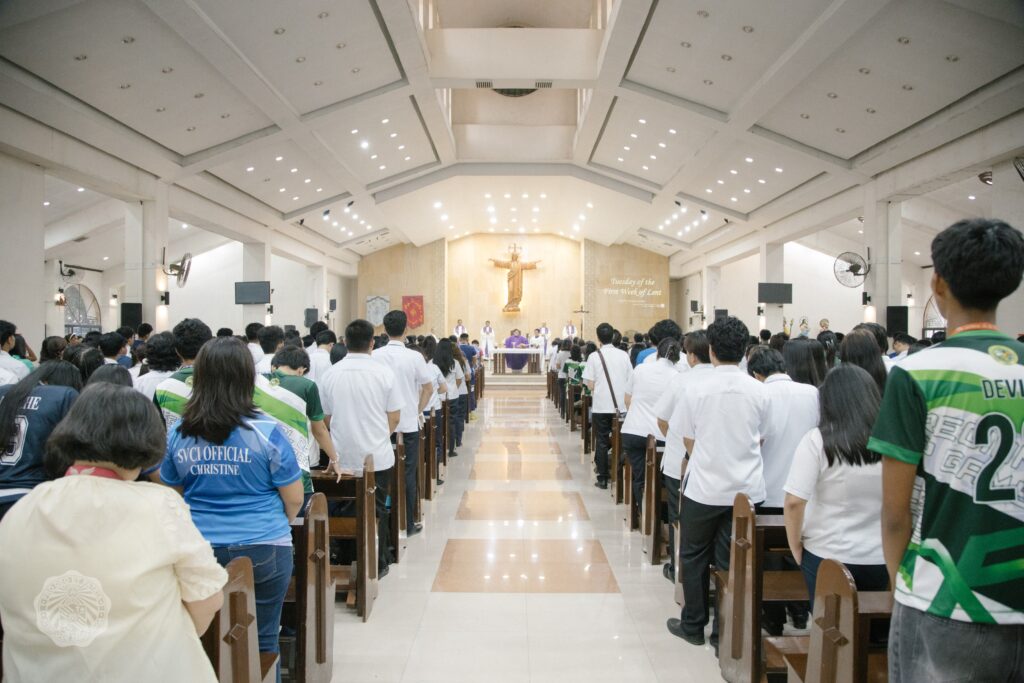
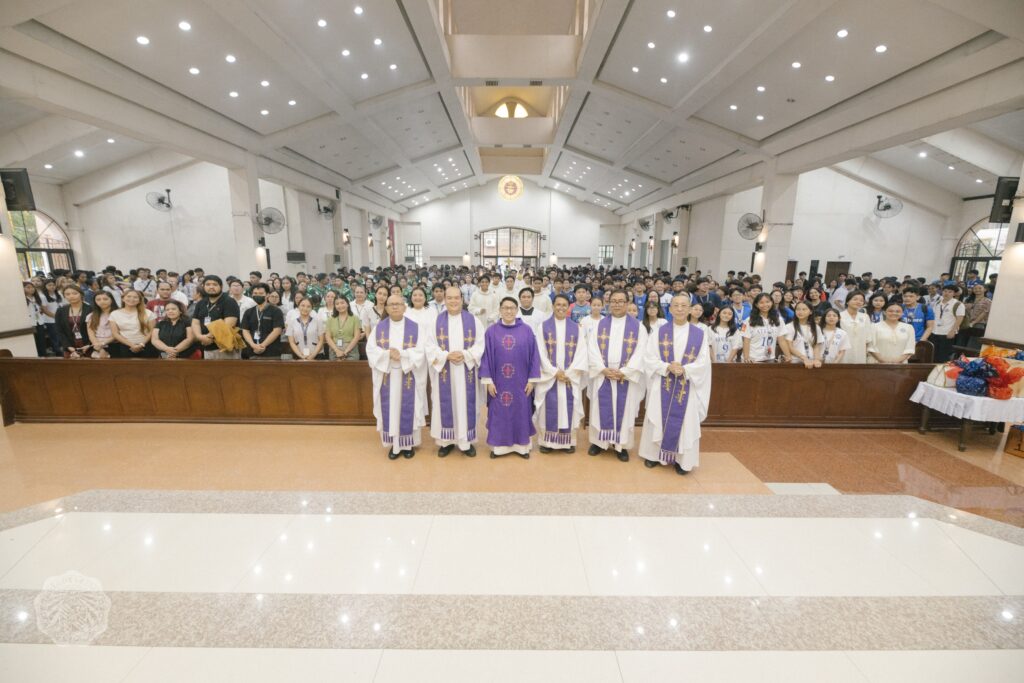
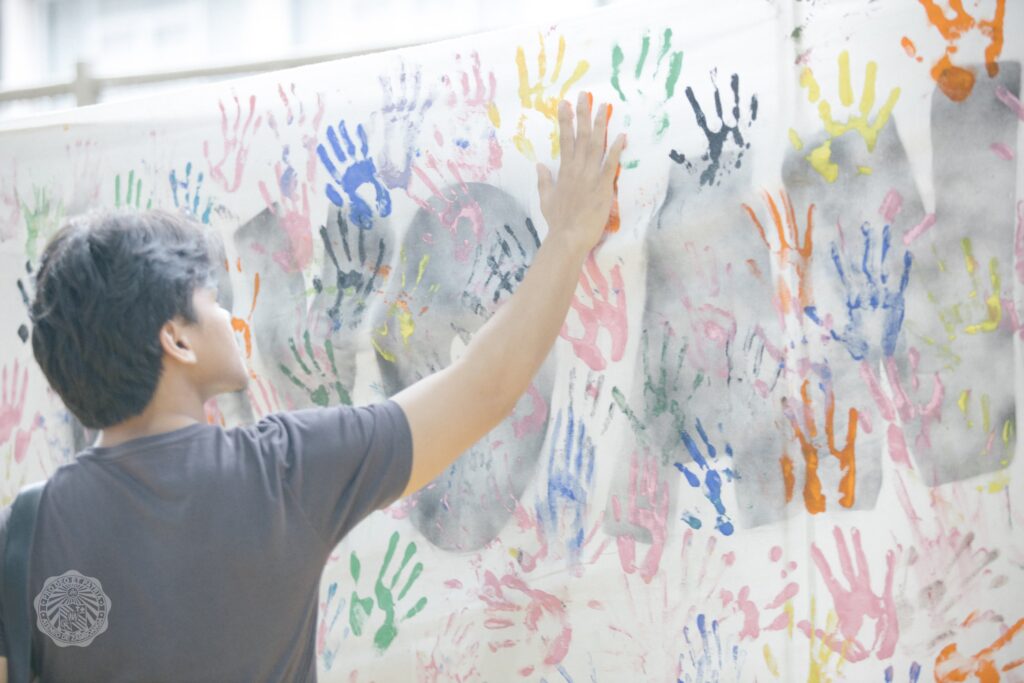
The commemoration reached its culmination on February 25. A Commemorative Mass was held at the Sacred Heart Chapel, attended by the delegates of the CEAP Regional Games and the AdZU community. The celebration was followed by a Commitment Wall, in which members of the AdZU community and the CEAP delegates pledged their commitment to the values of EDSA by stamping their palm prints onto a cloth — a collective mark of solidarity and shared responsibility.
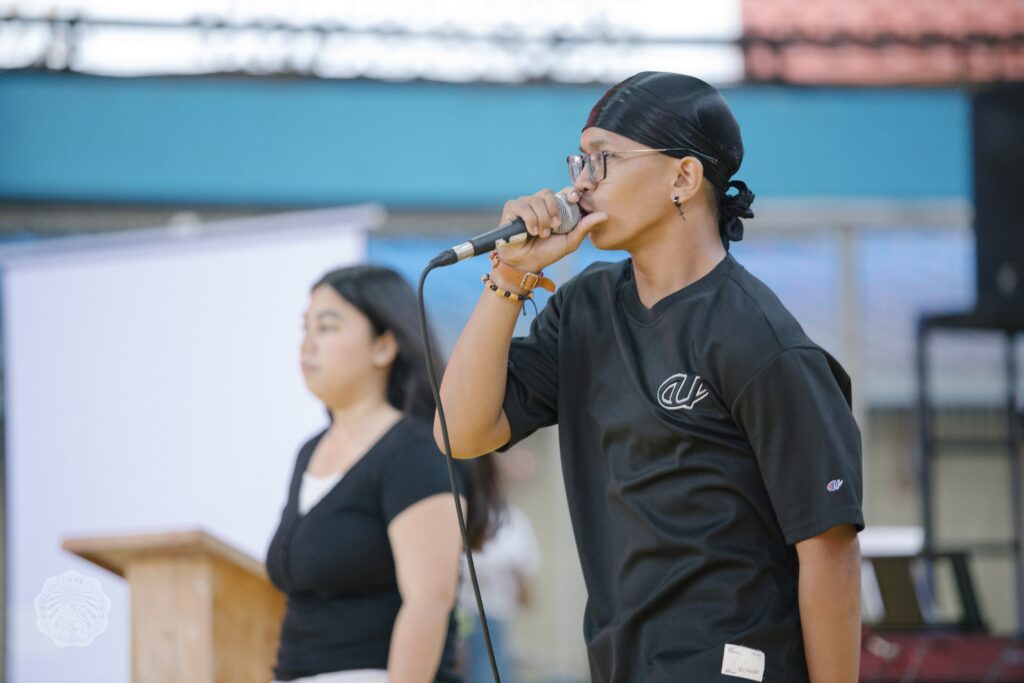
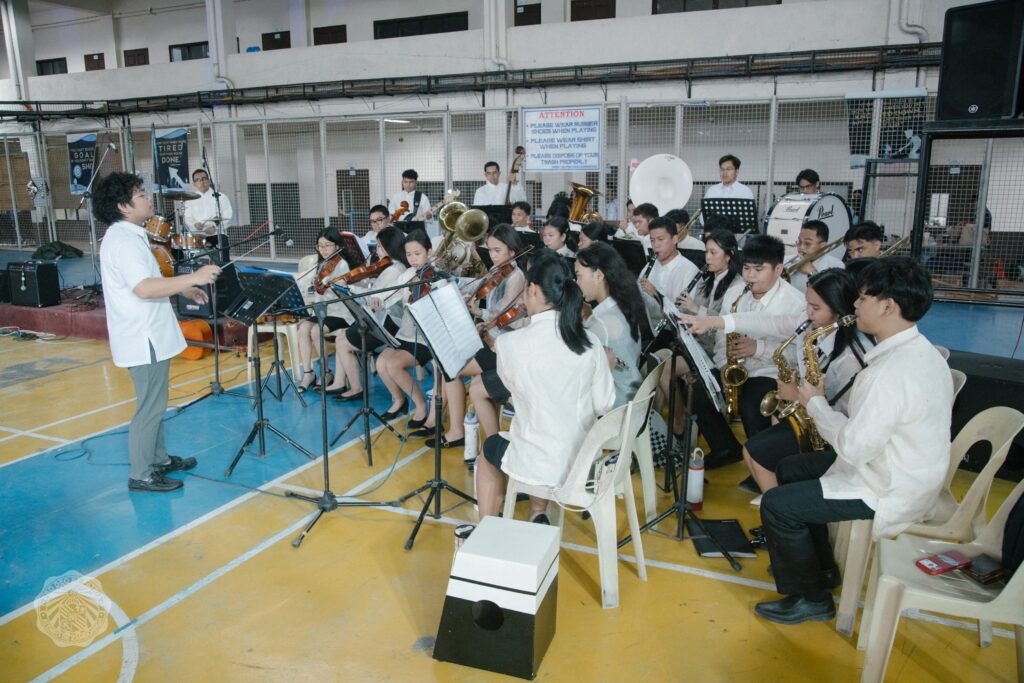
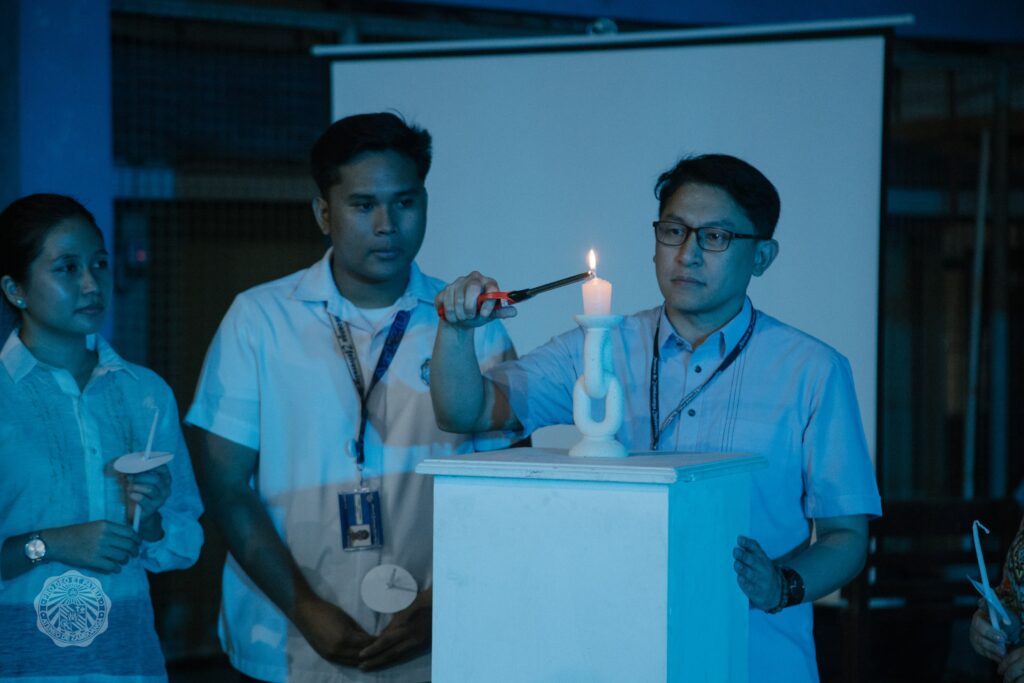
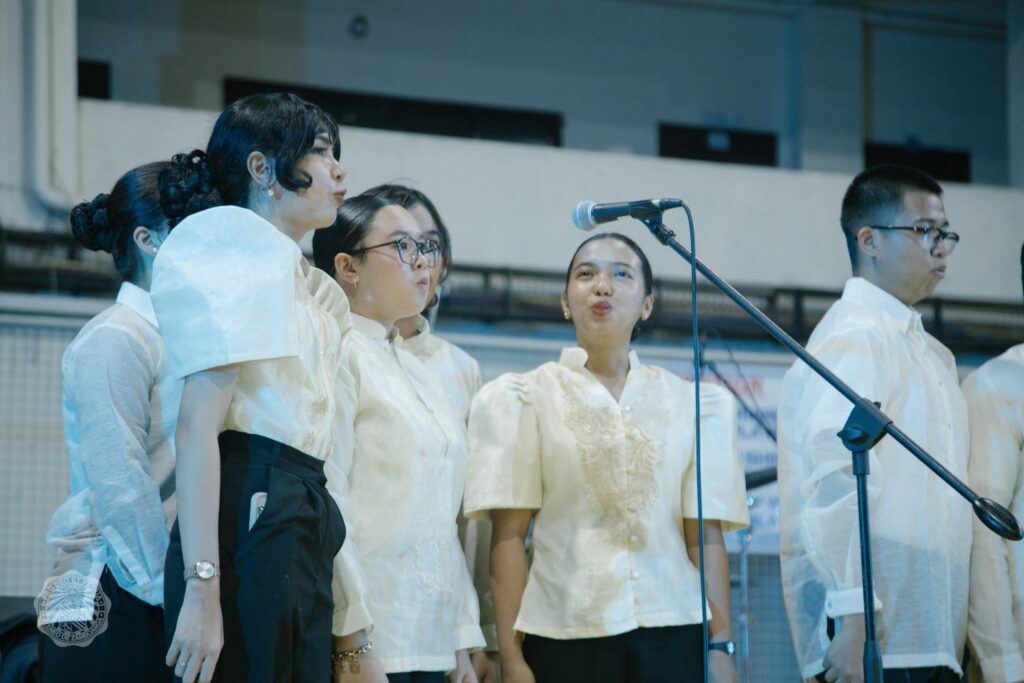
The program then continued with “Awit ng Pagkakaisa, Tinig ng Pag-asa,” a community concert at the MPCC2. Bands representing the academic organizations, the AdZU Concert Band, and the AdZU Glee Club filled the afternoon with music and cultural performances. As the concert drew to a close, the community gathered for a Candle Lighting — a quiet, luminous reminder of the hope, love, personal calling, and courageous commitment once converged in a defining moment of our history.
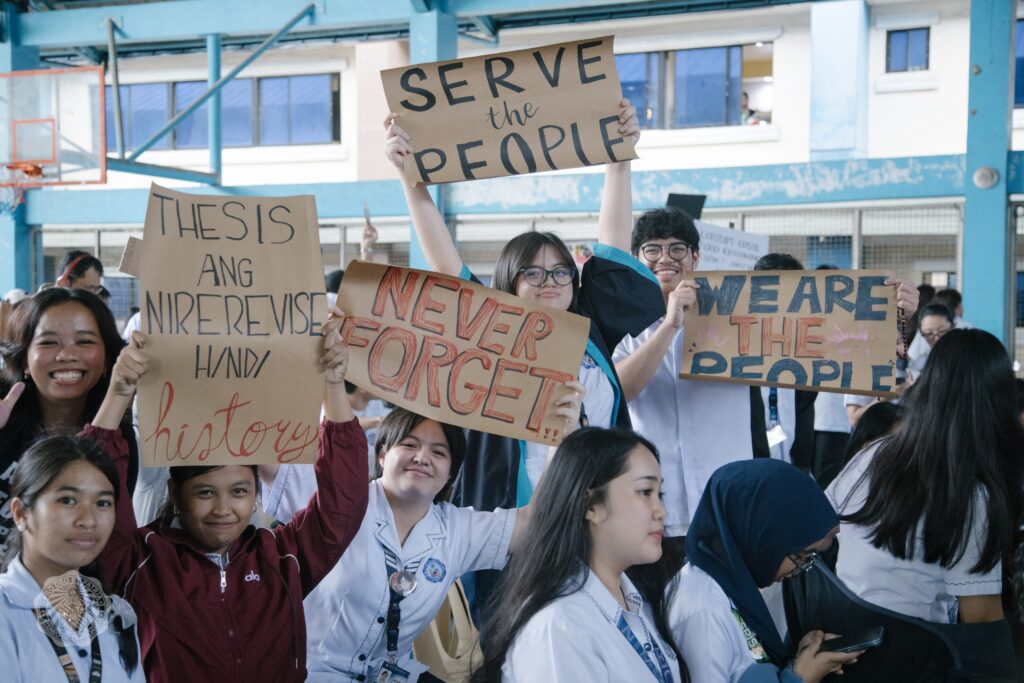
EDSA @ 40 was more than a remembrance of the past. It was a renewal of commitment – a recognition that the values of courage, unity, and hype continue to shape our communities, and that the gains of EDSA must be constantly defended. May the community continue to be active navigators of peace, carrying the spirit of solidarity into the nation’s future.